
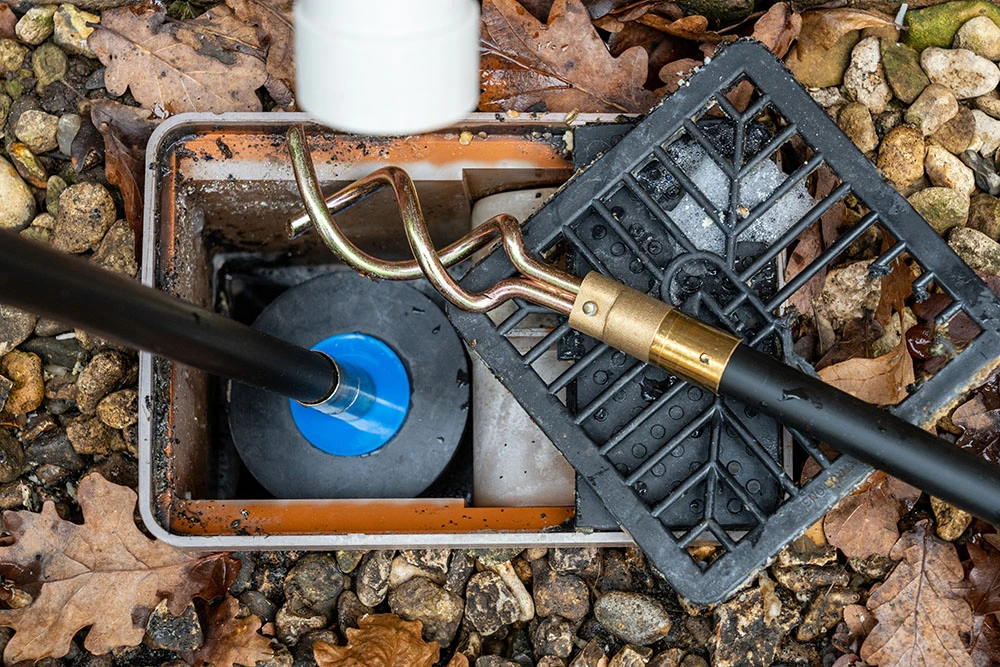
Ever feel like your yard’s auditioning to be a pond every time it rains? In Orange (NSW), a bit of rain can quickly become a splashy problem. With around 893mm of rain annually, and occasional flash floods (30mm in 40 minutes once swamped homes), Drainage Solutions in Orange are more than a luxury—they’re a necessity.
Whether you’re tired of soggy lawns or worried about erosion and leaks, the good news is that many fixes are simple DIY projects. In this guide, we’ll walk through easy, down-to-earth tips – from cleaning your gutters to digging French drains – that help water flow where it belongs. Grab your gumboots and let’s dive in!
Why Orange Needs Good Drainage
Our climate is famously fickle. Most Aussies know we’re the driest continent, but when the skies do open, we get a deluge. Orange has seen storms so fierce that stormwater pipes burst and houses flooded.
Even minor rains can overwhelm neglected gutters or flat lawns. And don’t forget indoor issues: council crews warn that sewer backups from non-flushables (like wet wipes) happen daily in Orange — something often highlighted by local teams offering plumbing services Orange when they’re called out to deal with unexpected blockages.
The takeaway? If you want to avoid future messes, start thinking smart about drainage solutions in Orange — because water doesn’t wait for permission to make a mess.
Understand the Problem
First, take a detective’s hat. Where is water accumulating or leaking? Common culprits include:
- Clogged gutters/downpipes: Leaves and debris jam gutters, so rain spills over foundations.
- Poor slope: If your yard or paths don’t angle away from the house, water pools near walls or basement.
- Compacted soil: Dense clay soil (common around Orange) absorbs water slowly, turning a garden into a shallow lake.
- Heavy storms: Remember that flash-flood event? A 30mm downpour in 40 minutes sent dozens of homes underwater. That kind of wallop shows why even small design flaws become big leaks.
Orange’s high-altitude location can mean unpredictable temps and sudden rain. The key is to give that water an escape route. As one report noted after a local deluge, “20 separate callouts… most were for flooded houses,” with pipes bursting from the overload. Proper drainage solutions in Orange homes can turn that scenario into “10 callouts – all fixed!”
DIY Gutter & Downpipe Fixes
Your gutters are the first line of defence against water damage, and they play a surprisingly big role in the overall Drainage Solutions around your home. Imagine your gutters like little rivers on your roof; if they choke on leaves, the “river” overflows. Here’s how to keep them flowing and support the rest of your Drainage Solutions system:
- Clean Regularly: Aim to clear gutters twice a year, typically in autumn and spring. Autumn clean-up is vital in tree-lined Orange streets. A smooth gutter lets rainwater speed away, protecting roofs and foundations. As experts warn, clogged gutters can lead to “foundation cracks, basement flooding, and landscaping erosion.” Yikes! Regular scooping and hosing (with the help of a buddy for ladder safety) is cheap insurance.
- Check the Pitch: Gutters should be tilted very slightly toward the downpipe – about 6mm drop per 3m of gutter. Too flat and water pools; too steep and you get a splash hazard. Use a level or a string line to test the slope. Adjust or get a pro if needed.
- Add Downpipe Extensions: Even with clean gutters, water can just pool at the downpipe base. Extending downpipes (PVC pipes or flexible extensions) carries roof water several meters away from the house. Simple trick: connect a cheap 90° elbow and hose pipe to dump water into a garden bed or rain tank, not next to your footings.
- Install Gutter Guards: If leaf drop is relentless, consider mesh or brush guards to catch debris above the gutter. They’re not foolproof, but they minimize clogs, meaning less frequent cleaning.
Yard Grading & Soil Tricks
Once water leaves the roof, where does it go? Ideally away from everything, and this is where smart Drainage Solutions start to shine. Check your yard and look for the simple fixes hiding in plain sight:
- Slope the Ground: Lawns and garden beds should slope gently away from your home at a rate of about 1:50 (1cm drop per 50cm length). If water puddles near the wall, do a mini level check and re-contour the soil. You might need to re-lay a few shovel-loads of soil to get a steady downhill run-off.
- Loose Mulch/Compost: Compact clay is a troublemaker. Mixing in some organic mulch or compost in key spots (especially garden trenches) improves absorption. Even adding coarse sand under a layer of soil can help water soak in faster, supporting your wider Drainage Solutions goals.
- Rain Gardens: These are simply shallow depressions planted with native, water-loving plants that capture runoff. In effect, a rain garden is “an area in the landscape where water pools after rain and specific plant types are planted.” For Orange’s winter-wet climate, fill it with wattles, rushes or cattails – plants that cheerfully drink up water. A rain garden slows down water, filters it through soil, and turns your soggy spot into a mini-wetland feature.
Simple Drainage Projects
For stubborn wet spots, try one of these proven solutions:
| Solution | What it Fixes | Ease/Cost |
|---|---|---|
| French Drain | Pools of surface/groundwater | Moderate DIY effort (trenching, gravel, pipe) |
| Trench Drain | Fast-flowing surface water | Moderate (dig a channel, install grate/drain) |
| Soakwell (Soak Pit) | Roof runoff overflow | Easy-Med (dig hole, add gravel barrel/tank) |
| Rainwater Tank | Roof water reuse + overflow | Med-Higher (purchase/install) |
| Professional Fix | Complex or hidden issues | Higher (plumber/engineer expertise) |
- French Drain: Dig a trench (about 30cm wide, 45cm deep) at the problem spot, sloping toward the desired outlet (e.g. street storm drain). Line it with landscaping fabric, fill halfway with coarse gravel, lay a perforated pipe (holes down), then cover with more gravel and backfill soil. Excess water seeps into the gravel and flows inside the pipe, whisking it away from your home. Yeti Civil calls it a “trench containing gravel or rocks that redirect water away from your property” – a very handy strategy for Orange homes.
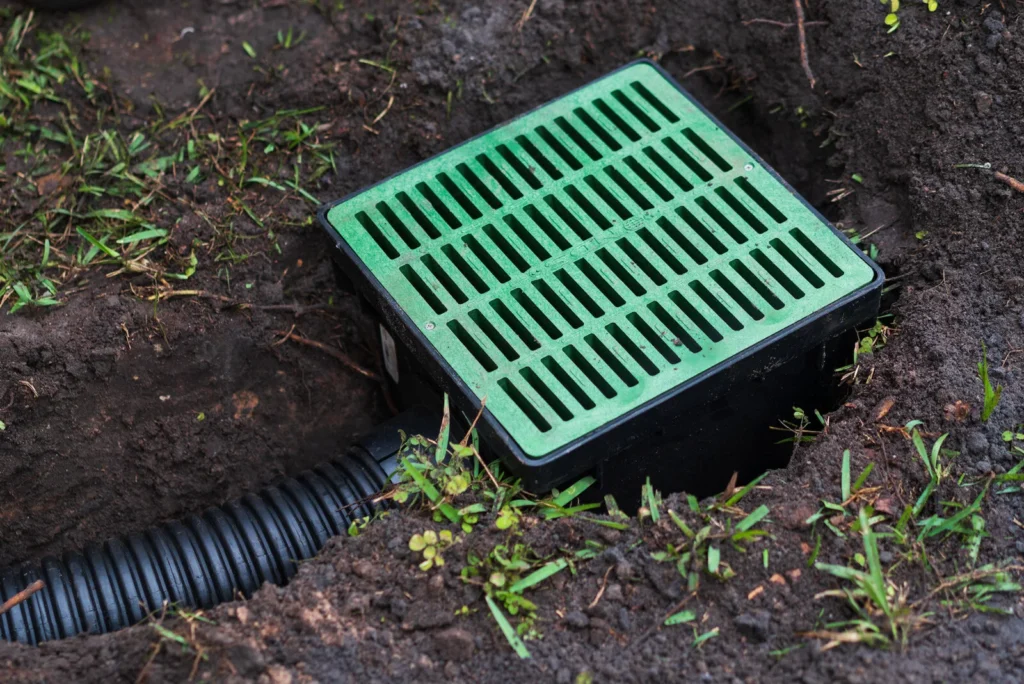
- Trench (Channel) Drain: If you have a long driveway or flat yard, a channel drain sits under a grill across a path to catch sheet flow. These linear drains efficiently snag water and funnel it into an underground pipe. Installation is similar to a French drain but uses a metal grate and box sections. Bonus: prevents water pooling on concrete surfaces or along patios.
- Soakwell/Soak Pit: Simple and Australian: dig a well below ground (around 60cm diameter), fill with coarse rubble or a plastic soakwell, and funnel downpipe water into it. It’s like a big sponge: rainwater collects there and slowly seeps into the subsoil. A soakwell is great for heavy roof runoff and easy to DIY with basic tools.
- Rainwater Tank: Install a tank under your downpipe (with first-flush diverter and leaf filter) and you instantly gain storage plus drainage. “A rainwater tank… collects and stores rainwater from your roof,” notes one guide. Use that water for your lawn or toilet, and your yard will be much less swampy. Plus, Orange’s council encourages it during dry spells.
No toolkit at hand? Start with the easiest: re-grading and downpipe extensions. Even moving mulch or pop-riveting an extra segment of PVC onto your downpipe can make a big difference.
Maintain & Monitor
Good drainage isn’t set-and-forget. Keep it flowing with these habits:
- Inspect Before/After Storms: Quick checks save headaches. Ensure grills aren’t blocked, downpipes still attached, and no leaf dams on the ground.
- Trim Trees & Roots: Tree roots love to invade pipes. Cut any invasive roots near drain lines. For sewer drains, one expert in Orange noted daily blockages from pipes “infiltrating” roots. If you notice repeated clogs indoors or odours, it might be tree roots or foreign objects, not just rain.
- Avoid Flushable-Trap: Speaking of sewer: Orange councils stress only flushing “pee, poo and toilet paper”. Many non-flushables (wipes, cotton buds) claim to flush, but in reality they block pipes. Even if your yard drains well, an indoor backup is still a water issue. Keeping the sewer clean is as crucial as keeping gutters clear.
- Check Stormwater Outlets: Make sure the end of any buried drain or downpipe empties somewhere safe (e.g. storm drain, gravel pit). If it’s dumping against a wall, redirect it.
When to Call the Experts
Most fixes can be DIY, but knowing your limits is part of smart Drainage Solutions. If water is slushing through cracks in the foundation or pooling inside your home, it’s definitely time to call in the pros. An experienced plumber or drainage contractor in Orange can use cameras, flow tests, and mapping tools to locate hidden leaks or design large-scale fixes that DIY simply can’t cover.
Council engineers often remind locals that routine flushing and maintenance is crucial – but the initial fix-up might need licensed hands, especially if you’re not confident on a ladder or dealing with heavy digging. For more background on how the local network works, check Orange City Council’s stormwater guidelines.
Remember, drainage problems often snowball (or rainball?): what begins as a damp corner can turn into structural rot or mould if left unchecked. It’s always better to nip it early. If your DIY trial project – like digging a trench or setting up a small tank – solves the issue, brilliant. If not, you’ve ruled out the basics and can hand things over to a specialist who knows how to deliver reliable Drainage Solutions without the guesswork.
Expert Tip: Turn it into an Asset
Here’s a fun twist: instead of only thinking of draining water away, consider harvesting it. Orange City Council has a pioneering stormwater harvesting scheme that captures city runoff for reuse. On a smaller scale, you can too: build a rain garden or install a barrel. Not only do you solve a drainage problem, but you create a lush garden feature or get free watering water.
Quick Checklist (Bullet Points):
- Clean gutters/downpipes regularly.
- Extend downpipes far from foundations.
- Re-grade landscape so water flows away.
- Install a French or channel drain to intercept pooling water.
- Plant water-loving natives in low spots (rain garden).
- Use a rainwater tank to catch roof runoff.
- Flush only paper down the toilet to avoid sewer backups.
Each of these drainage solutions in Orange can be scaled to your budget: a $20 downpipe extension, a weekend trenching project, or a $1,000+ pro install. The goal is the same – water out, dry home in.
Wrapping Up
Nobody likes wet socks or a muddy lawn. By tackling drainage early – clearing leaves, checking slopes, and setting up simple drains – you stop small puddles from becoming big headaches. And if you do get overwhelmed by a freak storm, remember that capturing water (rain garden, tank) can both beautify your yard and keep pipes from overflowing.
You’ve now got a toolkit of Drainage Solutions to try. Start with the low-hanging fruit: clean those gutters and extend the downpipes this weekend. Keep an eye on any trouble spots after the next big rain. With the right Drainage Solutions, even Orange’s heaviest downpours become much easier to manage.
Stay dry out there, Orange!
FAQ
How can I stop water pooling in my backyard?
First check slope – re-grade soil to run away from buildings. A French drain (gravel trench with pipe) can intercept that water and carry it away. Also, keep gutters clear so roof water doesn’t dump into the yard.
Do I need a professional for drainage problems?
Not always. Many fixes (gutter cleaning, re-grading, downpipe extensions, DIY French drains) are doable by handy homeowners. But if water is flooding indoors or you’ve tried everything, a licensed plumber or drainage specialist can diagnose hidden issues and do larger installs safely.
Are rainwater tanks a drainage solution?
Absolutely. A rainwater tank under a downpipe captures roof runoff instead of flooding the yard. The water can then be reused, and overflow is minimized. It’s both eco-friendly and helps control drainage.
How often should gutters be cleaned?
Generally at least twice a year: after autumn and spring. In a leafy yard you might need to do it more often. This prevents debris from building up and ensures water flows smoothly.
Why is fixing drainage important in Orange?
Because Orange’s weather can swing from very dry to sudden heavy rain (we once got 30mm in 40 min!), and poor drainage can damage homes. Good drainage solutions in Orange keep your garden green instead of swampy and protect foundations from water damage.

