
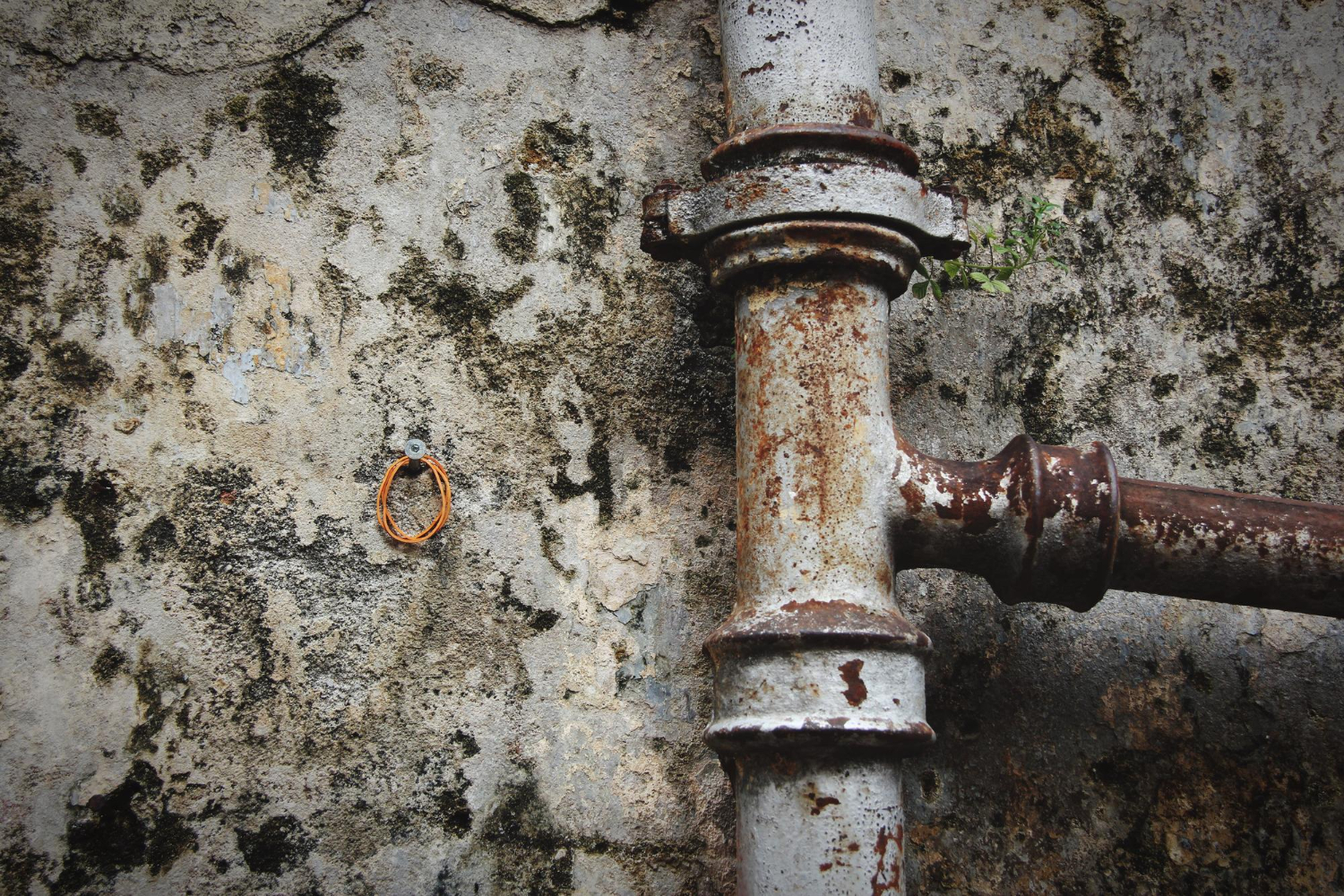
When the temperatures start dropping, one common concern for homeowners in Orange is how to keep their plumbing systems from freezing. The chilly weather can often lead to pipes freezing over, causing bursts and leaks. This is more than just a minor inconvenience—it’s something that can turn into a significant issue if not addressed. At Hydro-Fix Plumbing, we’re all about making sure your home stays warm and your pipes stay in top shape, even when it’s cold outside.
Plumbing problems in winter are something no one wants to deal with, especially when the festive season is in full swing. Frozen pipes can mean no water in your taps, unexpected repair costs, and a lot of hassle. But don’t worry, with the right steps, you can keep your plumbing intact. We’ll explore ways to fend off the dreaded freeze and keep everything flowing smoothly through the chilly months.
Understanding The Risks Of Frozen Plumbing
Plumbing systems, while mostly out of sight, are very much a part of our everyday life. Unfortunately, during cold spells, these systems are prone to freezing. When water inside the pipes freezes, it expands. This expansion can create tremendous pressure which might eventually cause the pipes to burst. Imagine filling a balloon with too much air—it’s bound to pop eventually. The same thing can happen with your plumbing.
Let’s take a closer look at some of the risks associated with frozen plumbing:
– Pipe Damage: Frozen water can lead to cracks or even ruptures in your plumbing. Once the ice starts to melt and pressure is released, water will find even the tiniest of cracks and cause leaks.
– High Repair Costs: Fixing frozen or burst pipes can be expensive. It’s not just about replacing a section of pipe. Sometimes whole walls and gardens have to be disturbed to access the damaged areas.
– Water Supply Disruptions: If your pipes freeze, it might cut off water supply to parts or the whole of your home. This can be a real issue for daily tasks, from washing dishes to taking a shower.
To avoid these costly, inconvenient problems, the best approach is prevention. Plan ahead, especially when you know a cold snap is coming your way.
Insulating Your Pipes
Keeping those pipes warm is key to preventing them from freezing. Think about it like wrapping yourself in a nice, thick jumper on a chilly day. Good insulation acts as a protective layer, blocking out the cold and keeping the warmth in. There are a variety of materials and methods available to insulate your pipes effectively.
Consider these simple materials and methods for insulating your pipes:
– Pipe Sleeves: These are easily found in hardware stores and slip over your pipes like a glove. They’re made of materials like foam or rubber and are typically designed to fit snugly.
– Heat Tape or Cable: This is an electrical solution that you can wrap around your pipes. When plugged in, it generates enough heat to keep the pipes from freezing.
– Fibreglass Wraps: This type of insulation is flexible and can be used for pipes in awkward spots. It provides effective insulation without being bulky.
Make sure you give special attention to pipes in unheated areas like basements, attics, or garages. Insulation will reduce the risk of freezing, but it’s worth remembering that extremely low temperatures might require additional measures to keep things flowing freely.
Maintaining Steady Water Flow
One simple yet effective way to prevent pipes from freezing is by maintaining a steady flow of water. It may sound basic, but moving water can’t freeze as easily as still water. By keeping a trickle of water flowing through your taps, especially during the coldest nights, you reduce pressure buildup and the risk of freezing.
Here are some practical tips to keep your water moving:
– Slightly Open Faucets: Leave your faucets slightly open to allow a small stream of water to flow continuously. This simple action can help prevent the water inside the pipes from freezing over.
– Use All Cold and Hot Points: If you live in a multi-storey house, ensure every tap, including those in bathrooms and kitchens on every floor, has at least a drip.
– Identify At-Risk Areas: Focus especially on areas exposed to the coldest temperatures. Garages, attics, and pipes near exterior walls can be particularly vulnerable.
Maintaining steady water flow is an easy way to mitigate the risk of frozen pipes. Just remember to keep an eye on your water usage to avoid unnecessary waste.
Using Heating Devices
When temperatures plummet, sometimes insulation and flow aren’t enough. That’s where using heating devices can make a big difference. These devices are designed to keep pipes warm and prevent freezing. It’s like wrapping your pipes in a warm woolly blanket, keeping them snug against the cold.
Let’s consider a few heating solutions:
– Heat Tape: This is an electric solution that you wrap around the pipes. Perfect for outdoor pipes or those in colder parts of your home. It’s plugged in and generates heat to maintain a stable temperature.
– Pipe Heaters: Similar to heat tape but offering more coverage, these heaters are effective for larger sections of pipe. They come in a variety of lengths, adapted to fit any specific need you might have.
If you’re thinking of using these devices, here are a few safety tips to keep in mind:
– Professional Installation: Consider letting the pros handle the installation to ensure safety. These devices involve electricity, and improper installation could lead to hazardous situations.
– Monitor for Overheating: Regularly check to ensure the devices aren’t overheating or becoming frayed, which could pose a danger.
Using heating devices can be a smart preventative step in colder climates, particularly when paired with other protective measures.
Regular Maintenance Checks
Lastly, regular maintenance checks are a proactive way to prevent freezing issues. Having a professional look over your plumbing ensures everything functions efficiently and catches potential problems early on. It’s like a routine check-up, but for your pipes.
Here’s what a typical inspection might involve:
– Checking Insulation: Ensuring that all pipes, especially those vulnerable to the cold, have adequate insulation.
– Assessing Pipe Integrity: Professionals will check for signs of wear and tear that could get worse with freezing and thawing cycles.
– Evaluating Water Pressure: This involves making sure there’s adequate flow and pressure to mitigate freezing risks.
Ultimately, regular checks will help ward off potential disasters and ensure peace of mind as the temperature drops. Investing in this care can save you time, money, and stress in the long run.
Keep Your Pipes Protected
Prevention is key to avoiding plumbing freezes that can lead to costly and inconvenient repairs. By maintaining proper insulation, ensuring steady water flow, using heating devices, and scheduling regular plumbing checks, you can help protect your home from the chill of winter. These straightforward steps will keep your home running smoothly and make sure you spend the colder months enjoying cosy comforts instead of dealing with plumbing woes.
Winter can be tough on your plumbing, but taking the right steps can help you avoid headaches and costly repairs. Whether you need help insulating pipes, maintaining water flow, or incorporating heating devices, professional assistance can make a difference. For comprehensive support, trust a skilled plumber in Orange to safeguard your home’s plumbing system. Rely on Hydro-Fix Plumbing to keep everything running smoothly this winter and beyond.

