
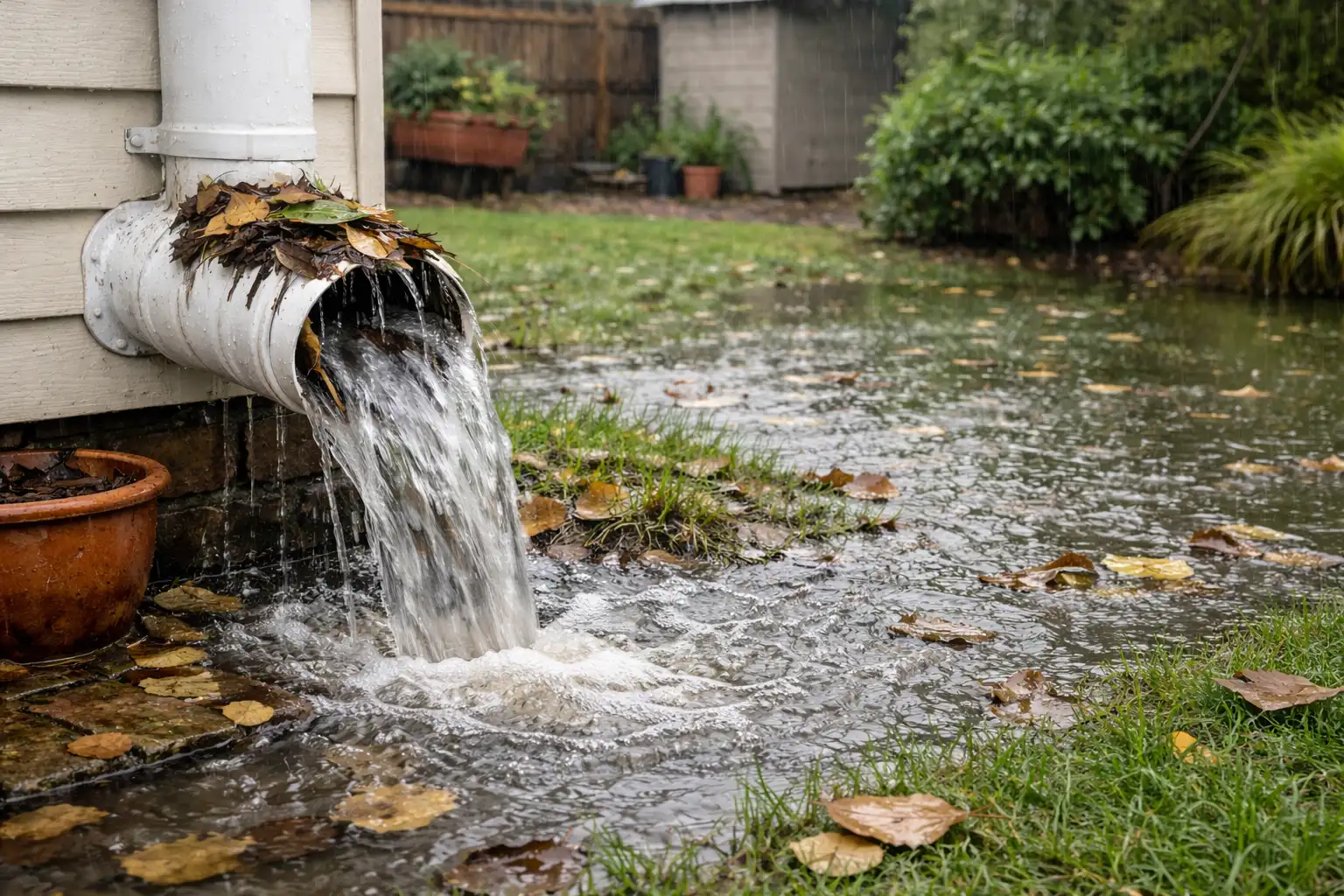
Ever woken up on a Monday to the sound of drip…drip in your living room? If you’re a young professional in Orange, Australia, the last thing you want is indoor weather. Fallen leaves and soggy debris have turned your gutter into a mini waterfall. Your Drainage Solutions in Orange toolbox better be ready. With local rainstorms and autumn leaves, drainage is a real issue. Orange City Council knows the city needs a plan – in fact, Orange’s hidden stormwater network stretches over 233 kilometres of pipes and channels.
You deserve a home with all gear, no drama. Enter Drainage Solutions in Orange: think of them as your roof’s personal bodyguards against water damage. They tackle everything from blocked downpipes to backyard puddles. Keep reading for clever insights and witty tips on how to handle gutter gunk, prevent floods in your garden, and follow the council rules that keep our streets dry.
Let’s dive into practical Drainage Solutions in Orange that keep your home high–and–dry.
Why is my gutter always blocked?
Storm-season drama in Orange often starts at the eaves. Clogging culprits love this city: gumtree leaves, twigs, and even bits of bark pack your gutters like dirty sponges. Over time your gutter becomes a soggy trap. Here’s a quick reality check:
Common Drainage Solutions in Orange: Problems, Causes and Fixes
Understanding these common issues helps homeowners choose the right Drainage Solutions in Orange before small problems turn into expensive repairs.
| Drainage Issue | Common Cause in Orange Homes | Warning Signs | Recommended Drainage Solutions in Orange |
|---|---|---|---|
| Blocked gutters | Gum leaves, twigs, bark debris | Overflowing gutters, dripping walls | Regular gutter cleaning, install gutter guards |
| Downpipe blockage | Leaves and sediment inside pipes | Water spilling from joints | Flush downpipes, use plumber’s snake or jet |
| Sagging gutters | Rust, age, loose brackets | Standing water, uneven gutter line | Re-secure brackets or replace damaged sections |
| Backyard flooding | Poor ground slope, short downpipes | Puddles after light rain | Extend downpipes, regrade soil away from house |
| Stormwater overflow | No soakwell or legal outlet | Water pooling near foundations | Install soakwells or connect to approved drain |
- Trees, leaves & debris. Orange is leafy. Every season drops new muck from gums, oaks or ashes (imagine a confetti-maker stuck on repeat). That goes straight to your gutter.
- Sagging or damaged gutters. Old gutters can dip or rust, creating low spots where water pools. A slight downward pitch towards the downpipe is needed – if that’s lost, water will stall.
- Downpipe blockages. Sometimes debris slips into the downpipe, forming a dam. Make sure each downpipe is connected properly and free of clogs (your gutter can look clear above, but a bung down below will overflow everything).
- Neglect & lack of maintenance. Seriously, leave a gutter alone long enough and nature will reclaim it. NSW councils remind homeowners that gutters, pipes and drains must be kept in good nick. If you skip cleaning, expect surprise leaks.
These factors explain why your gutters choke. For example, one Aussie gutter expert notes, “Autumn is a time when gutters in Australia need attention, as falling leaves can cause them to become clogged and overflowing.” Yikes! Catch that early and avoid the indoor waterfall.
Quick fixes to try now
Picture your gutter as an unwilling water slide. How do you unclog it? Start with a scoop and a glance. Remove those leaves and flush with a hose (plastering your lawn is fine, it’s not like we’re super precious about mud). Then, apply these Drainage Solutions in Orange:
- Protect the top. Install gutter guards or mesh screens. They’re a first line of defense against leaves and debris. While not 100% foolproof, even a simple guard cuts down on how often you climb the ladder.
- Check the pitch. Have someone stand at the ends of your gutters. You should see a slight tilt toward each downpipe (roughly 1–2% slope). Reattach loose gutter hangers or replace warped sections.
- Clear the downpipe. Run water and watch it gush out the bottom. If it dribbles, fish out the clog with a plumber’s snake or high-pressure hose. Sometimes we add an extra downpipe if the roof is big – it’s like adding another drain to speed the party.
- Fix the gutter itself. If parts are cracked, bent or rotten, replace them. Even small holes or gaps near joints invite moss and leaks. Fresh fascia and gutters can make older homes drain like new.
These DIY steps often save the day. Do it in spring and autumn, and you’ll see far fewer leaks.
DIY gutter cleaning vs hiring a pro
Let’s address the epic debate: ladders and muck vs calling in the cavalry.
- DIY: Cleaning your own gutters is cheaper on the wallet, and maybe fun if you’re into squishing soggy leaves for sport. However, it’s risky: balancing on a ladder while juggling phone and tools is a recipe for disaster. If you go this route, suit up. Wear thick gloves, a cap (rainwater tanks are now mosquito reservoirs), and ensure the ladder is stable. No jumping to reach that last leaf – safety first! After shoveling out the mound of muck, always rinse the gutter and check for smooth flow. It’s a good workout… but maybe skip it if you’re hungover.
- Hire a Pro: Pros with a capital P. They come with gear (like gutter vacuums and telescoping poles – okay, maybe not drones, but they do have flashy gadgets). Professionals have insurance, ladders that would make you cringe if you saw them, and know exactly where the sneakiest clogs hide. Yes, it costs extra dollars, but it often ends with a brighter smile (yours, when you realize you don’t have to clean gutters this weekend). They can even offer complete Drainage Solutions in Orange – including gutter repairs and stormwater checks.
The smart call? If your roof is more than one storey high, or you’d rather keep your jeans clean, go pro. Otherwise, for a bungalow or friendly street fight with leaves, DIY might suffice. Either way, mark your calendar and do it regularly. Because ignoring gutters is basically inviting a rainy-day horror.
How do I prevent backyard flooding?
Next issue: the yard puddle party. Even after a drizzle, you shouldn’t need gumboots to cross the lawn. Use these landscaping-savvy tips:
- Grade it away. Ensure soil around your house slopes gently away from the foundation (about 5cm drop per meter). Water loves a downhill path, so give it one clear exit.
- Extend those downpipes. Fit downpipe extensions or splash blocks. Shoot that torrent 1–2 meters from the house, landing on grass or gravel. Better yet, channel it into a soakwell (that buried pit of gravel) or connect to a legal drain. This means water goes down, not into your walls.
- Rain gardens & swales. Landscape like a pro by adding a shallow depression or beds with water-friendly plants. Swales (mini channels) and rain gardens temporarily hold excess rain so it seeps in. According to water-wise guides, things like swales and soak wells can detain stormwater and increase percolation into the soil. Nature does the work – and your veggie patch might get free watering.
- Porous surfaces. Swap out some concrete for gravel or permeable pavers. Each inch of soil or loose rock is another opportunity for water to disappear, not pool. Every drop that sinks into the ground is a drop that won’t flood your backyard.
- Check any easements. Some Orange blocks have shared drains or natural water paths. Keep those clear! The council advises leaving easements unblocked so water flows properly. That means no building over the natural drain at the back fence.
These fixes will turn your yard from boggy mess to gentle stream (or at least, a tidy garden). Plus, less water near foundations means fewer worms or damp patches indoors. #Winning.
Stormwater smarts & council rules
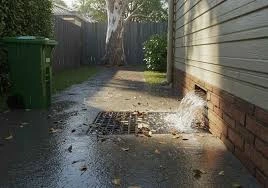
You might think: “That city street gutter will sort it all out, right?” Kind of – but property-level drainage still matters. In NSW, homeowners are on the hook to manage their own stormwater. Orange City Council (and plumbing codes) make it clear: all buildings (even sheds!) must send roof water to an approved outlet. Usually that means connecting each downpipe to the street kerb, an inter-allotment drain or a soakwell – no water trickling across the footpath or into a neighbour’s garden (you’ll become the talk of the street). Keep each downpipe securely fastened and debris-free.
Orange’s public stormwater system is extensive (about 233 km of drains and channels!) – but it only works if you feed it properly.
In short, Drainage Solutions in Orange involve sending water exactly where it’s meant to go. Use extensions or splash-blocks on downpipes, install soak wells or rain gardens to soak up extra rain, and clear any street drains near your property. Follow Orange City Council’s stormwater guidelines and you’ll dodge flooding problems (and fines).
The big-picture takeaway
Blocked gutters and backyard bogs don’t have to ruin your day. The keys are simple: maintain your gutters and drains, direct water to the right place, and comply with local rules. Trim back overhanging trees, clean your gutters regularly, fix any roof or ground slopes, and consider guards or soak wells as needed. Think of it as giving your home a spa day: everything flows smoothly, and nothing leaks.
Master these tips and you’ll enjoy a dry Orange at home. Next time someone asks “What are the best Drainage Solutions in Orange?”, you’ll have them covered. Smart Drainage Solutions in Orange mean more sunny BBQs and fewer soggy socks – water off your back, mate.
FAQs
Why is my gutter always blocked?
Leaves, twigs and debris from trees are the usual culprits. Clean gutters regularly or install guards to keep the water flowing rather than spilling over.
How do I prevent backyard flooding?
Ensure the yard slopes away from the house, extend downpipes into proper drains or soakwells, and consider rain gardens or swales to catch excess rain.
DIY gutter cleaning vs hiring a pro?
DIY is cheaper but risky (ladders and all that). Pros have safety gear and experience. If you’re comfortable up high, DIY might work, otherwise call a local expert to be safe.
Who’s responsible for drainage?
Homeowners must maintain gutters and connect downpipes to approved stormwater drains. The council manages public drains; see Orange City Council guidelines for stormwater and Drainage Solutions in Orange.

