
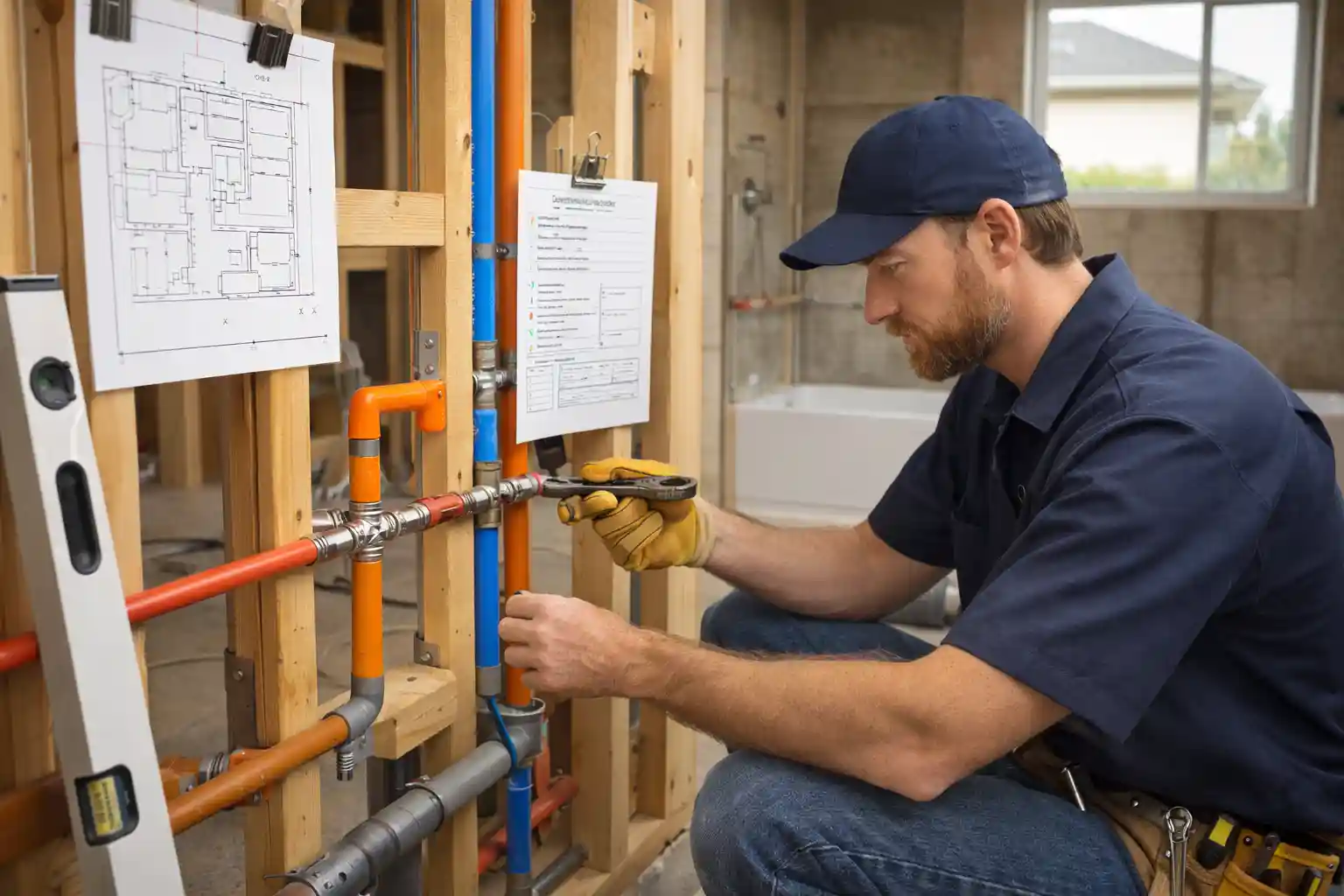
Starting a new plumbing project in Orange can feel exciting – new pipes, new fixtures, a shiny updated bathroom! But let me tell you, rushing into a new plumbing installation in Orange without a solid plan can quickly turn your dream project into a DIY disaster. Think of it like driving from Orange to Sydney without a GPS: you might get there, but not before hitting a few potholes and detours (maybe a flooded basement along the way).
In this post we’ll dive deep into why proper planning is the secret sauce that keeps new plumbing installations in Orange running smoothly. We’ll cover common pitfalls, local rules, and expert tips – all in plain Aussie English. By the end, you’ll see how a little foresight pays off big time, so your plumbing works like a charm (and not like a leaky fire hose).
Why Planning Matters for New Plumbing Installations in Orange
Proper planning is everything. Imagine starting to build your house’s “veins and arteries” – the water supply and drain lines – without a map or blueprint. It’s a recipe for chaos. In fact, seasoned plumbing experts say the biggest mistake is skimping on design and site assessment. For example, one industry analysis found that “not observing the obligation to have an expert design a suitable installation” (especially on tricky soil) is the single largest failure in new plumbing jobs.
In real life, that means plumbers and builders sometimes ignore engineer reports on soil conditions, and later the house pays the price (literally). There’s a story of a builder who flat-out skipped a geotechnical engineer’s drainage plan: the result was ongoing sewer leaks and a warped concrete slab so bad the home might need demolition. Yikes!
A well-planned installation avoids this by catching problems on paper first. Planning includes surveying the site, checking soil tests, calculating pipe slopes, and getting approvals. It ensures pipes are laid where they should be, with the right materials and gradient. When you plan ahead you catch costly blunders on the drawing board instead of fixing a burst pipe at midnight.
Skipping planning can lead to these red flags: burst pipes in winter, cross-contamination of water lines, permanent flooding of floors, or even invalid building insurance. In Orange’s chilly months, for instance, uninsulated pipes can freeze and split. In short, planning is cheap – fixing a flooded floor is not.
Common Pitfalls in New Plumbing Installations in Orange
Without planning, simple mistakes compound. Here are some big blunders people make with new plumbing installations in Orange:
- Ignoring Local Regulations: Orange is in NSW, so all plumbing work must comply with the national Plumbing Code of Australia (PCA) and related standards. Skipping code compliance can mean rejection at inspections, big fines, or required rework. For instance, Orange City Council rules mandate that any water system installation (like rainwater tanks) must be done by a licensed plumber following all plumbing codes. If you DIY a major install, you could be in breach of the law (and it’s tricky, not just a minor tap fix).
- Poor Site Survey: Failing to check soil type, rock layers or slope can cause drainage nightmares. Pipes set at the wrong angle mean sewage backs up instead of flowing away. Over time, this leads to blockages or bowing pipes under your slabs. In Orange’s terrain – partly volcanic and tablelands – accounting for ground stability is crucial. Skipping a geotechnical check is gambling with your foundation.
- Rushing Materials Selection: Grabbing the cheapest pipes and fittings can bite you. PVC or copper come in many grades; using the wrong pressure rating or ignoring thermal expansion allowances invites leaks. Also, not factoring in Orange’s water chemistry (which can be harder on some materials) leads to corrosion.
- Overlooking Venting & Traps: Every drain needs a vent and correctly sized trap. If you fail to plan vent locations (tiny pipes that prevent sewer gas backups), you’ll end up with gurgling toilets and stinky drains. A common pitfall is connecting a sink or shower without a proper vent pipe in the layout – something you’d catch in planning.
- No Room for Maintenance: Planning doesn’t stop at installation. If you don’t include access panels or clean-outs, routine maintenance means hacking into walls or concrete later. Always plan those access points (and budget space) on day one.
- Scheduling Mishaps: Plumbing often ties in with other trades (slab pour, electrical, carpentry). Last-minute changes (e.g. moving a bathroom wall) can wreck your schedule. A misaligned cutout or an extra fixture dreamed up mid-build forces rework. Planning helps coordinate timelines so everyone’s on the same page.
These issues aren’t random – they form patterns seen again and again. For example, licensed plumbing professionals note that cutting corners on design often leads to “all the other houses in the street [having] the same” defects. In other words, bad planning isn’t just an “accident”; it’s often a sign of a shortcut approach that can hit everyone involved (homeowners, builders, insurers) with extra costs later.
Table: Planning vs. Unplanned Outcomes
| Planning Step | If Skipped | Consequence |
|---|---|---|
| Site Survey & Soil Check | Wrong pipe slope, leaks under slab | Blocked drains, structural damage |
| Permits & Compliance | Non-approved work | Fines, forced demolitions, failed inspections |
| Quality Materials | Cheap/incorrect pipes and fittings | Frequent leaks, burst pipes, water damage |
| Licensed Plumber | DIY or unlicensed labour | Improper fitment, code breaches, legal penalties |
| Proper Venting/Traps | Missing vents or traps | Sewer odors, gurgling drains, health risks |
| Coordination (Other Trades) | Scheduling clashes, blocked access | Costly delays, rework, missing deadlines |
Each unchecked item turns a new plumbing installation from a smoothly executed plan into a fraught gamble. When you see a row of checkmarks under “Planning Step”, you can almost guarantee a successful outcome.
Regulations and Standards for New Plumbing Installations in Orange
In Australia, plumbing is highly regulated. In NSW (including Orange), all new plumbing work must comply with the national PCA and state variations. The PCA “sets out the requirements for the design, construction, installation… of plumbing and drainage installations”. In practice this means either doing everything “Deemed-to-Satisfy” by following AS/NZS 3500 standards, or using an engineered performance solution that meets or exceeds those standards. The key takeaway: guesswork won’t cut it. Your project must either tick off those standards or justify an engineer-designed alternative.
Orange City Council’s policies reinforce this: for instance, their Water Supply rules explicitly require a licensed plumber for any installation, to ensure compliance with “relevant standards, building and plumbing codes”. Bottom line: if you’re working on a new plumbing installation in Orange, don’t even think of bypassing a licensed pro. DIYting that water line or rainwater tank hookups can not only fail, it can break the law.
It’s not just bureaucracy; these rules exist for good reason. Improper plumbing can cause contamination of drinking water or sewage leaks. The NSW Government plumbing FAQ warns that continuing work without inspection or compliance can bring serious consequences – including compliance orders under the Plumbing and Drainage Act. So, every new system in Orange needs proper notices of work, inspections, and a final Certificate of Compliance – a paperwork trail that all roots back to solid planning and licensed execution.
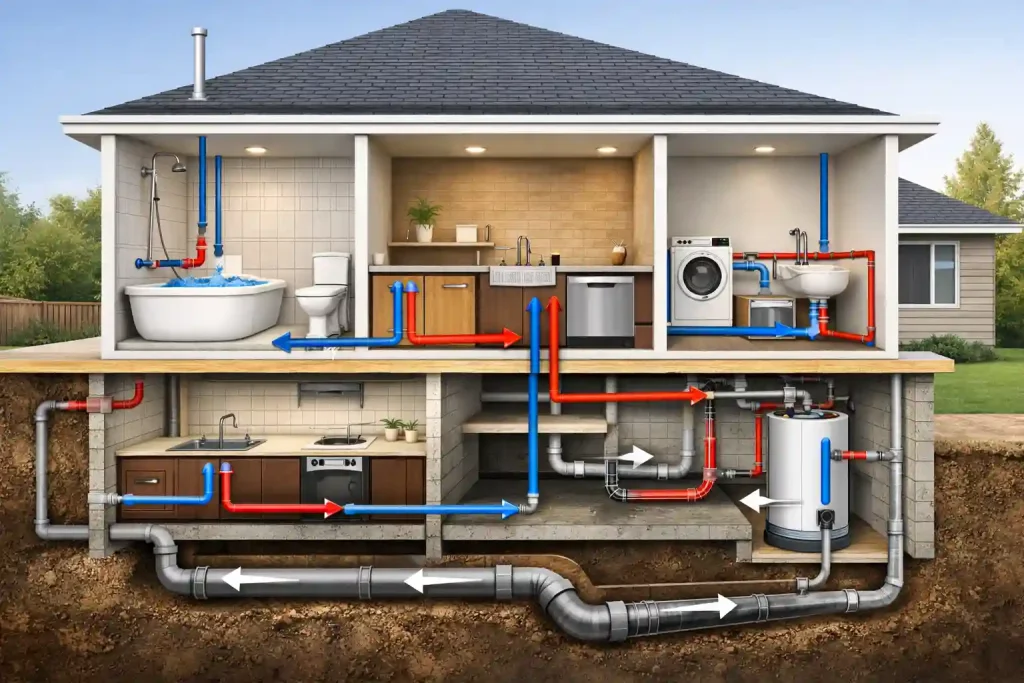
How to Plan Your New Plumbing Installation in Orange
So, how do you avoid plumbing headaches? By approaching your new project like a pro from day one. Here are key steps to make your new plumbing installation run like clockwork:
- Sketch the Layout: Start on paper (or digital plans). Mark all fixtures (taps, showers, toilets), their heights, and wall alignments. Map out hot and cold supply lines and drain routes. Make sure sinks aren’t far from a shower (so waste water piping is efficient) and that vents are drawn where needed. This blueprint helps spot collisions (e.g. overhead beams or nearby electrics) before anyone digs.
- Check the Soil and Site: Before the truck arrives, have the soil assessed. Soil type affects pipe selection (flexible vs. rigid) and depth of trenches. If an engineer has a report on your lot, read it – it might call for specific drainage designs. As one expert warned, ignoring this step on unstable ground is the biggest mistake. Planning means putting that advice into practice, not shoving the pipes in blindly.
- Confirm Permits and Codes: Use the NSW Government resources – like the Plumbing Code advisory notes – to review requirements. Determine if your job is exempt or needs council development consent. For Orange, most standard home plumbing is just complying with AS3500 (detailed in the PCA) and a Notice of Work to the regulator. Don’t skip arranging inspections: plan them in your timeline so you don’t cover up work before it’s checked.
- Hire the Right People: At the planning stage, talk to licensed plumbers and, if needed, hydraulic engineers. Get quotes and work scopes in writing. An experienced plumber in Orange will know the local quirks (like council backflow rules or typical piping in historic areas). An engineer can draw custom solutions if your site is tricky. Remember the plumbing code explicitly mentions bringing in an expert if you go beyond standard installation. Essentially, planning means choosing those who plan ahead with you.
- Select Quality Materials: Work with your plumber to pick pipes and fixtures fit for Orange’s climate and water (for instance, UV-resistant PP-R pipes if sections run above ground). Plan on having spares and proper trap gaskets. Quality avoids the “we’ll fix it later” trap that often turns into “we have to dig up the foundation.”
- Schedule Wisely: Align your plumbing plan with other trades. For example, rough-in plumbing needs to finish before slab pouring; the slab’s “set” date should be in your plan calendar. Coordinate with your electrician and builder to share site drawings. Put inspections in the schedule as milestones. Planning in time for everyone saves frantic weekends and missed connections.
- Test, Test, Test: Plan in enough slack to pressure-test the system before closing walls or slabs. Discovering a minor leak at this stage is way easier than demolishing tiles later. In Orange (with cold winters), also plan a test in cooler temperatures to catch any issues with hot/cold balance or frost susceptibility.
- Document Everything: Keep records of plans, permits, materials used, and inspections. A tidy logbook might not excite your inner designer, but it’s gold if council questions anything or if you sell the house later. Good documentation is part of “planning” in a broader sense – it shows you covered all bases.
By following these steps, each new plumbing installation in Orange becomes a well-rehearsed dance rather than a hasty scramble. Good planning and communication mean fewer “surprises” – nothing worse than finding out after a concrete pour that the sink drain is in the wrong spot.
Conclusion
In the end, your plumbing project’s success hinges on the plan you set up front. Skipping the legwork is a false economy: what saves time today can cost a fortune tomorrow in repairs, fines or even legal headaches. In Orange (and anywhere, really), there’s no substitute for designing carefully, following the NSW plumbing rules, and hiring the right pros. A little time on planning means living with your plumbing, not fighting it.
If you’re gearing up for any new plumbing installations in Orange, take a breath and plan. Draw it out, check the codes, and invest in proper design. Trust me, future-you will thank present-you when the water runs where it should and your floors stay bone-dry.
Got questions or war stories about plumbing gone awry (or done right)? Leave a comment – sharing tips and tales is how we all learn. And remember: when in doubt, call a qualified plumber in Orange; they’re the masters of turning plans on paper into pipes in walls, safely and smoothly.
Frequently Asked Questions
Why is planning important for new plumbing installations?
Planning ensures all pipes, vents and fixtures are placed correctly to code. Without it, you risk leaks, backflows, or compliance failures that lead to costly fixes or legal trouble.
Do I need a licensed plumber for installations in Orange?
Yes. NSW law requires licensed plumbers for nearly all plumbing work. Only simple fixes (like changing a washer) can be DIY. For new installations you should hire a pro to avoid safety and legal issues.
What regulations apply to new plumbing installations in Orange?
Orange follows the NSW Plumbing Code and AS/NZS 3500 standards. Every installation must meet these codes. Council approval or a Notice of Work is usually needed for new plumbing to ensure compliance.
What happens if plumbing is not installed properly?
Bad installs can cause water damage, mold, or even health hazards from sewage leaks. You could face council orders to fix defects or fines. Proper planning avoids these nightmares.
How can I avoid plumbing failures in a renovation?
Assess the site first (drainage, obstacles), plan your pipe routes on paper, and stick to standards. Get inspections at rough-in and final stages. Doing it right the first time saves headaches later.

