
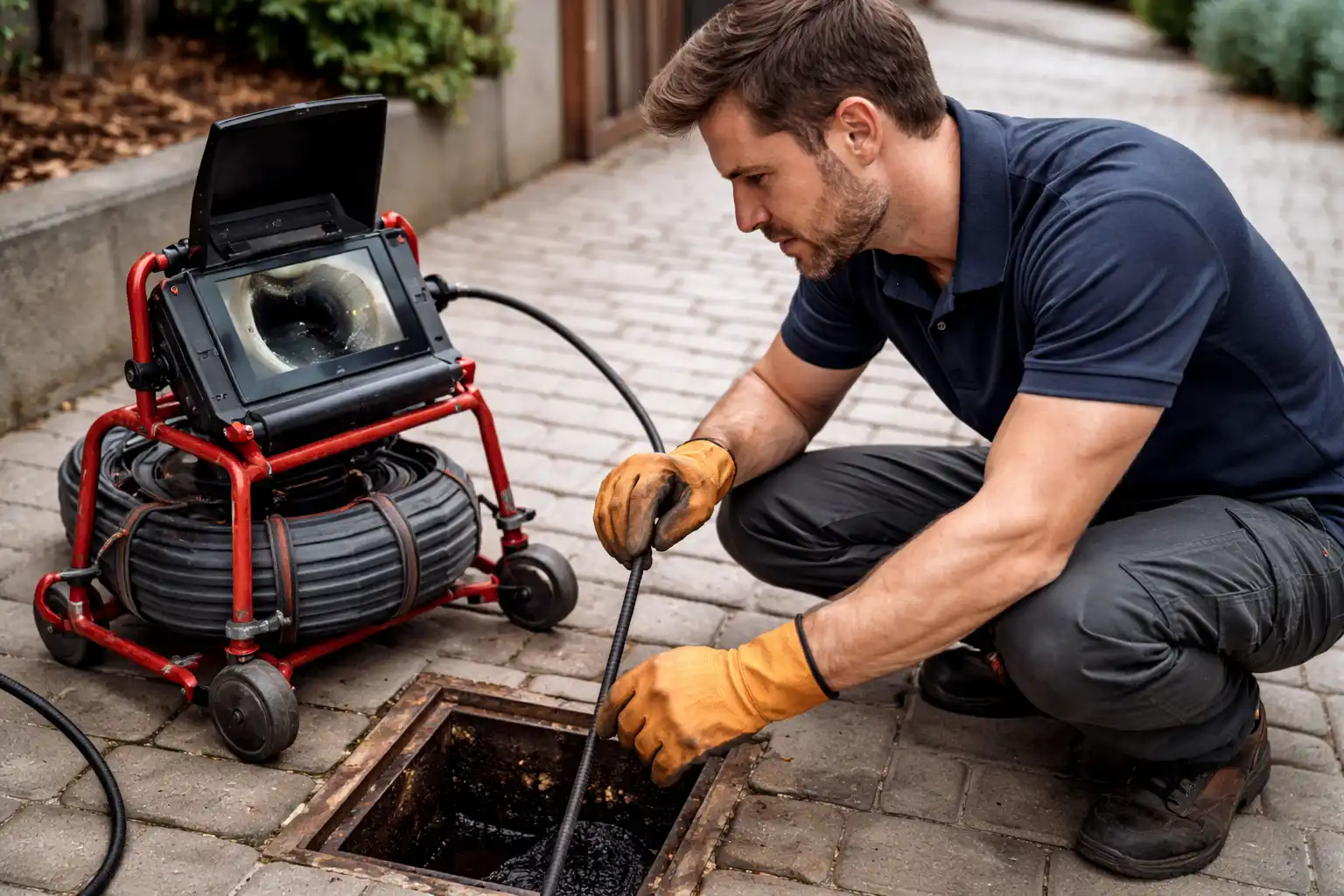
Ever had a sink or toilet back up on you out of nowhere? In Orange (NSW), it turns out the same everyday blunders keep popping up again and again – and they’re expensive. A bit of leftover cooking oil, a stubborn hairball, or a lazy DIY trick can spiral into a full-blown plumbing nightmare. Drainage specialists in Orange see these slip-ups all the time. The good news? Most are totally avoidable with a little know-how. Let’s dig into the top costly drain mistakes and how you (yes, you!) can avoid them.
Grease, Fats & Oils: The Kitchen’s Secret Saboteurs
Australians love a BBQ or a roast dinner, but pouring that leftover gravy or bacon fat down the sink is a recipe for disaster. Fats, oils and grease (often called “FOG”) solidify as they cool and cling to pipe walls. Over time they form rock-hard blockages that catch soap, food scraps and debris – kind of like a sticky trap. In fact, Icon Water warns that these substances quickly cool and solidify, clogging sewer pipes and causing nasty backups.
Think of it like lathering a layer of plastic inside your pipes. One local drainer quipped that a single cup of cooking oil, poured daily, can start forming a blockage in just months. That fatty coating often shows up on emergency calls: an Orange homeowner learned it the hard way when their kitchen sink backed up with a sludgy mess of grease and coffee grounds. The fix? A professional hydro-jet flush or pipe relining – both costing well into the hundreds of dollars.
Instead of the drain: Let grease cool in a container and bin it. Wipe oily pans with paper towel before washing. Use sink strainers to catch bits. As Icon Water stresses, “Avoid washing down grease, fats and oils…” in your sink. Follow that advice and you’ll save your pipes (and your wallet) a lot of grief.
Flushable “Wipes” & Foreign Debris: Toilet Traps You Don’t Know
We’ve all seen that tempting label on wet wipes claiming “flushable” – but it’s a trap. These products don’t break apart like toilet paper. In Orange homes (and across Australia), flushing wipes, sanitary pads or cotton buds is a costly mistake. They bunch up and snag on pipe joints, turning into monstrous clogs that need power tools to clear.
Home plumbing experts report that “flushable” wipes alone now cause roughly 75% of sewer blockages — a problem also highlighted in NSW Government guidance on preventing sewerage blockages, which explains why wipes and other foreign items should never be flushed. Australians’ water utilities spend millions each year unclogging pump stations due to wipes. Even at your place, one rogue wipe can tangle with hair and grease and jam your toilet solid. The fix? It often means a heavy-duty snake or a camera inspection — both pricey and messy.
Similarly, flushing anything besides the “3 P’s” (pee, poo, and toilet paper) is risky. That means no cotton swabs, dental floss, tissues, cigarette butts or kitty litter down the loo. In the bathroom, keep a small bin handy. A drainage expert in Orange mentioned a case where a single pack of wet wipes stopped up the sewer – a problem easily avoided by tossing them in the trash instead.
- Don’t pour or flush: Grease, cooking oils, fats, eggshells, coffee grounds, food scraps.
- Don’t flush: “Flushable” wipes, sanitary products, cotton buds, dental floss, hair.
- Don’t dump: Paint, solvents or garden dirt down laundry sinks.
A handy table of culprits and safe tips is below:
| Clog Culprit | Why It’s Bad | Smart Disposal |
|---|---|---|
| Cooking grease & oil | Solidifies in pipes, trapping debris | Let cool and bin it (or wipe with paper) |
| Wet wipes, sanitary products | Cause ~75% of blockages; expand and jam pipes | Bin them – only flush pee, poo and paper |
| Hair & soap scum | Forms dense mats in shower/sink drains | Use a drain strainer and clear it regularly |
| Coffee grounds & food scraps | Accumulate in bends and mix with grease to clog | Scrape into bin/compost instead |
These everyday culprits are budget busters because they force you to call in the pros. So next time, remember: if it’s not designed to dissolve quickly in water, keep it out of the drain.
Chemical Quick-Fixes: Short-Term Fix, Long-Term Damage
When a drain slows, it’s tempting to dump in some store-bought chemical cleaner. The label touts a “swift fix,” but frequent use is a trap. Those liquids often contain lye or acids that generate heat when mixed with water. A few drips too many and they start eating away at your pipes. Plumbers warn that repeated chemical flushes will corrode metal fittings and soften PVC joints over time.
Worse yet, chemicals may simply mask a symptom. You might get the gurgle out by briefly dissolving grease, but the real culprit—tree roots, cracked pipes or a bulky clog—lurks on. By the time you cough up the chemical smell, the hidden problem can be much bigger. Even brands touted as “natural” can’t clear everything.
A local drainage specialist recalls a homeowner who reached for a second bottle of drain cleaner after a stubborn clog. The pipe scene went from bad to worse: corrosion and cracks meant a pipe relining was needed. The takeaway? Chemical cleaners are at best a band-aid. They give you a (sometimes toxic) fizz, but they don’t replace good maintenance.
Better moves: Try safer DIY like a mixture of baking soda and vinegar or hot water plunging (if you know what you’re doing). Enzyme-based cleaners can help break down organic gunk without chemicals. But if your sink is still playing up after one go, it’s time to call a plumber. Drainage specialists in Orange have the right tools (CCTV cameras, hydro-jetters) to clear blockages without collateral damage.
Botched DIY & Band-Aid Fixes: When Tricks Backfire
We all admire a bit of DIY spirit – but some home plumbing hacks just aren’t worth the risk. Common snowballing mistakes include:
- Fishing with metal wires: You may think a straightened coat-hanger or stick will yank out a clog, but it often just pushes debris deeper or scratches the pipe.. The result? A hidden partial blockage that comes roaring back later.
- Forcing the snake: Those drain snakes (augers) are handy tools, but misuse can crack older pipes. Yank or twist too hard on a jammed snake and you risk fracturing the line. Always retract and rotate gently when snaking.
- Over-tightening traps: If you’ve ever disassembled a sink P-trap to clear it, beware the reassembly. “Hand tighten plus a quarter turn” is usually enough. Turning plumbing nuts two-handed can crack plastic fittings or warp threads, causing leaks that need plumber hours to fix.
- Plunge-plunging: Plungers are great for minor clogs, but only if used correctly. Plunging without enough water or after pouring chemicals might not help – it can just splash caustic material onto you (ouch!) or worsen the clog.
- Mixing poisons: Never pour one chemical and right away try to plunge or pour another cleaner. That can trigger dangerous reactions (some homeowners have accidentally made chlorine gas in their kitchens!).
The key is knowing your limits. As one Orange plumbing expert says: “We often fix problems that started as a simple DIY try.” For instance, a do-it-yourself snake attempt might save a few bucks upfront, but if it fails and splits a pipe, you end up paying double.
If you decide to tackle a clog yourself, follow safe methods only: use a plunger gently, flush with boiling water (pour slowly, not all at once), or scrub visible traps. But if trouble persists, pull out the phone. Drainage specialists have training, safety gear and the right tools (like hydro-jetters and inspection cameras) to fix it properly.
Ignoring Early Warning Signs: The Silent Ticket to Disaster
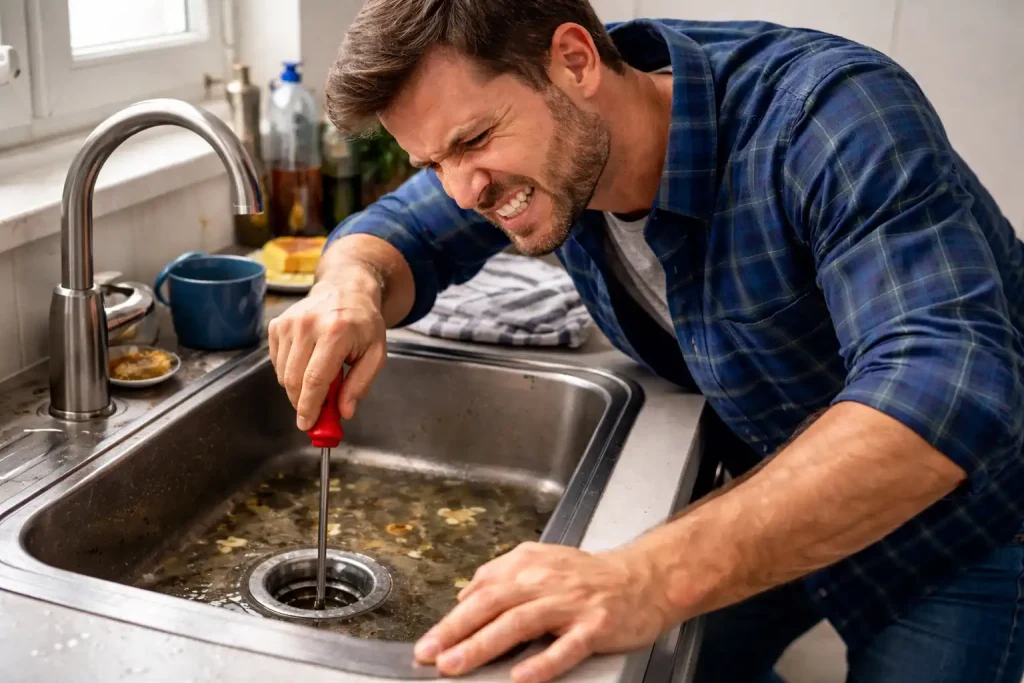
A slow drip or ominous gurgle in the bathroom isn’t just annoying – it’s a cry for help. Sadly, many people ignore these hints until disaster strikes. Maybe the kitchen sink starts emptying like a swamp after dishes, or the toilet whispers after flushing. These are your drains begging for attention. Drainage specialists report that letting these small signals slide is a classic mistake. It’s like ignoring your car’s check engine light: the longer you wait, the bigger (and costlier) the eventual problem.
Expert tip: If you smell foul sewage odors, or notice multiple fixtures (toilet, shower, laundry) acting up at once, call for help immediately. Those are red flags for main-line clogs or vent issues. Home plumber blogs stress that foul smells, slow drain flow or odd noises mean “schedule a professional inspection right away”. Don’t hope the situation clears on its own.
The consequences of procrastination are steep. A tiny snag can grow into a full sewer blockage, forcing sewage to back up into sinks or even out of toilets – a nasty, expensive mess. Yet some brave (or stubborn) homeowners keep pouring store-bought remedies on the problem. All too often, though, when they finally call a drainage specialist in Orange, the fix involves major work like excavation or relining.
Save yourself the headache (and the mega-bill): act on warning signs early. Weekly, pour a kettle of hot water down each drain to clear mild grease buildups. Check your drains for slow spots or smells. Fix leaks or sticky water immediately. A stitch in time saves nine (hundreds of dollars, actually). If trouble won’t budge, let a pro take a look – it’ll pay off in the long run.
Skipping Maintenance: Out of Sight, Out of Mind (Until It’s Not)
Here’s one big mistake: treating your home’s drains like find-and-forget systems. We service our cars and change filters – why not our plumbing? Many pipe failures come simply from lack of upkeep. Drainage specialists say that neglecting regular maintenance is a surefire way to welcome costly clogs and failures.
Easy prevention can cut your risk dramatically. For example:
- Use drain strainers or plugs. Catch hair and debris before it enters the pipe. Empty them often.
- Flush with hot water. Once a week, pour boiling water into kitchen and bathroom drains to melt light grease and soap film.
- Go natural monthly. A cup of baking soda followed by vinegar (30 min later) and a hot-water flush can break down organic gunk without harsh chemicals.
- Schedule an inspection. It’s wise to have a professional check your pipes every 1–2 years, especially if your house is older. They can spot hidden problems (like root intrusion or corrosion) before they blow up.
These simple routines take minutes but pay off in saved repairs. Drainage pros often say “80% of emergency calls are preventable.” It’s true – a little care now keeps major blockages at bay.
In regions like Orange, seasonal changes can also matter. Leaf debris and heavy rains in spring mean clear your gutters and external drains to keep water flowing freely away from the house. And plant trees thoughtfully: don’t let roots set up camp near old pipes (tree roots love to invade tiny cracks).
Above all, trust honest maintenance. A local pro once noted that calling him early to inspect a creaky drain was hundreds less expensive than emergency work after an ugly backup. Good habits now mean drain specialists in Orange will see you as savvy, not as “another horror story.”
Conclusion
To sum up, the most costly drain problems usually come from simple mistakes: pouring fats down the sink, flushing the wrong stuff, abusing DIY fixes, and ignoring small troubles until they become huge. Drainage specialists in Orange have seen it all – and they’ll fix anything that goes wrong. But why pay that price? Stay ahead of issues by practising smart habits and routine checks.
If you do notice a sign of trouble – slow drains, smells, or backups – don’t wait. Contact a local drainage specialist or licensed plumber Orange. Their expertise and equipment (camera inspections, high-pressure jets, pipe relining) will solve the problem quickly and safely. In the long run, it’s far cheaper than emergency repairs and clean-ups.
Invest a bit of effort in prevention, and your drains will keep flowing happily. After all, a little vigilance now means you can spend more on enjoying Orange’s spring blossoms and less on dealing with nasty plumbing surprises. Stay savvy, and remember: it’s always easier (and cheaper) to avoid drain disasters than to fix them.
Frequently Asked Questions
What common items should I avoid putting down my drains?
Never pour grease/oil, coffee grounds or food scraps down sinks. Don’t flush wipes, sanitary items, cotton buds or floss. Use a bin instead.
How often should I get my drains inspected?
Have a plumber or drainage specialist check your pipes at least annually. Regular inspections catch small issues (roots, cracks, buildup) before they become big, costly clogs.
Are chemical drain cleaners bad for drains?
Yes. Overuse of chemical cleaners can corrode pipes and hide larger problems. They offer a quick fix but may cause long-term damage. Natural enzyme treatments or hot water are safer options.
When should I call a drainage specialist in Orange?
Call if multiple fixtures back up, or clogs recur after DIY fixes. Persistent gurgling noises or sewage odors are red flags. When in doubt, a pro can diagnose the real issue and prevent costly damage.
Is preventative maintenance really worth it?
Absolutely. Simple habits – like using strainers, flushing with hot water, and clearing debris – can prevent ~80% of emergencies. Prevention costs far less than emergency repairs.

